Review: Cute and Simple Tiny Flowers Mouse Pad Design
As a designer who has spent countless hours digitizing files and testing them on various machines, I approach every new machine embroidery design with a mix of curiosity and skepticism. We have all seen the flood of digital assets online, but finding one that translates well from screen to stitch is a different challenge entirely. Recently, I evaluated the Cute and Simple Tiny Flowers Mouse Pad design to see if it holds up for real-world application. While the title suggests a sublimation background for mouse pads, my focus was on how this graphic translates into an embroidery file suitable for custom apparel and handmade goods.
First Impressions and Visual Mood
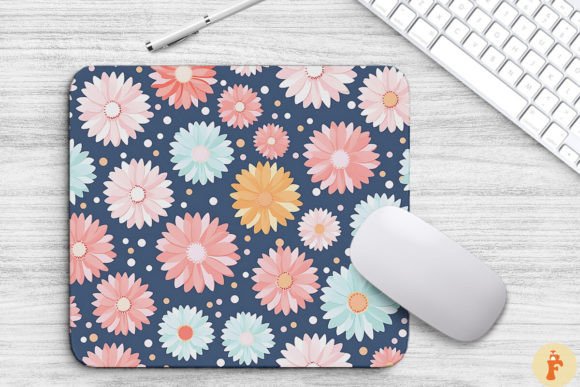
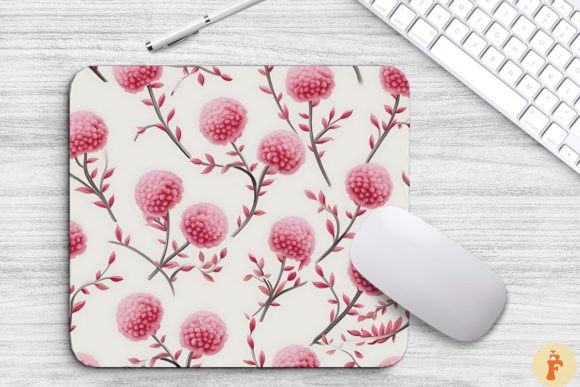
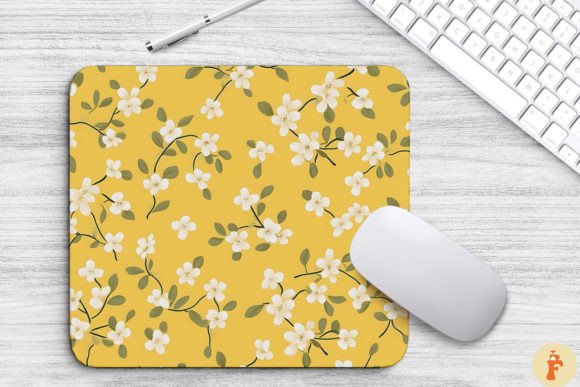
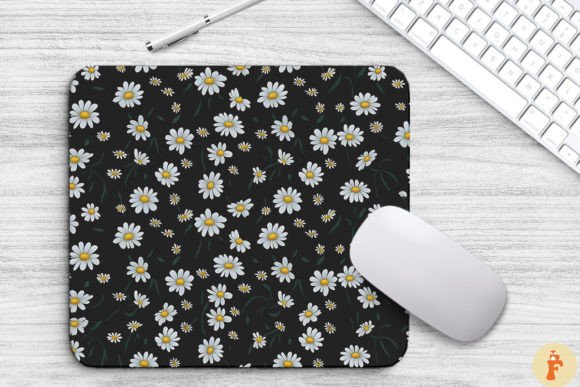
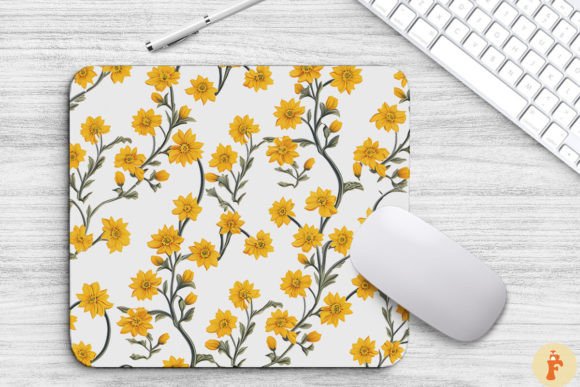
The initial visual impact of this Graphics asset is understated charm. It does not scream for attention with bold, aggressive lines; instead, it offers a vintage-inspired aesthetic that feels soft and approachable. The layout features scattered tiny florals, creating a sense of organic movement rather than rigid symmetry. For embroidery designers, this "scattered" look is both a blessing and a curse. It allows for flexibility in placement, but it requires careful consideration of stitch direction and density to ensure the design does not look messy once stitched out.
The mood is distinctly nostalgic, leaning into the cottagecore and vintage floral trends that remain popular among Etsy sellers and boutique owners. This makes it an excellent candidate for products targeting customers who value gentle, timeless aesthetics over modern minimalism. However, because the elements are small and delicate, the success of the final product hinges entirely on execution.
Real-World Application Scenarios
I tested this concept mentally against several common projects I handle for clients. Imagine preparing a custom tote bag design for a local farmer’s market vendor. Using this floral pattern as an all-over print or a clustered accent on canvas could add significant perceived value. The tiny flowers would break up the large expanse of fabric, making the bag feel curated rather than mass-produced.
Another strong use case is sweatshirt embroidery. A cluster of these tiny flowers placed on the left chest or near the cuff can elevate a basic garment into a premium item. For baby embroidery, the softness of the theme works well on onesies or burp cloths, provided the stitch density is low enough to remain comfortable against sensitive skin. I also see potential for holiday embroidery gifts, such as kitchen towels or aprons, where a touch of vintage floral adds warmth to utilitarian items.
For those running a craft business, this design could serve as a versatile element in a larger composition. It might not stand alone as a central motif on a large jacket, but as a filler or border element, it adds texture and interest without overwhelming the main subject.
Technical Considerations for Stitching
Here is where practical experience matters most. When converting a digital embroidery file or using a PNG as a reference for manual digitizing, you must consider the limitations of the needle and thread. Tiny details in a Patterns collection like this can easily become lost if the stitch density is too high or if the thread color lacks contrast against the fabric.
If you are using this as a reference for an applique design, it could work beautifully. Cutting small floral shapes from contrasting fabric and securing them with a satin or running stitch border would preserve the detail better than trying to fill-stitch tiny petals. This approach reduces puckering and speeds up production time, which is crucial for small shop product efficiency.
However, caution is needed with textured fabrics. If you attempt to stitch this directly onto a thick towel or a fuzzy fleece, the tiny lines may disappear into the pile. In such cases, using a stabilizer is non-negotiable, and you might need to simplify the design further. Always test the design on scrap fabric first. Check how the thread colors interact with your material. A light pink thread on white cotton may vanish, while the same thread on navy denim could pop beautifully.
Where to Use Caution
Not every project is a good fit for delicate floral graphics. Avoid using this design on curved surfaces like caps unless you have extensive experience with hooping and stabilization. The distortion on a curved brim can warp the small flowers, making them look unrecognizable. Similarly, be wary of using it on stretchy fabrics like jersey knits without proper cut-away stabilizer, as the fabric movement can distort the stitch alignment.
Also, consider the washability. Items that undergo frequent heavy washing, such as work aprons or children’s play clothes, may suffer from thread breakage if the stitches are too fine. For high-wear items, consider scaling up the design slightly or using a more robust stitch type like a wider satin stitch for the stems.
Enhancing Brand Value and Customer Trust
From a business perspective, the quality of your embroidery directly impacts customer trust. A clean, well-executed floral design signals professionalism. When a buyer receives a personalized gift featuring crisp, clear stitching, they are more likely to leave positive reviews and return for future purchases. This design, when handled correctly, contributes to a cohesive brand identity that feels thoughtful and artisanal.
For Etsy seller accounts, using high-quality printable mockup images of this design on various products can boost engagement. Show the design on a linen napkin, a denim jacket, and a canvas tote to demonstrate versatility. This helps buyers visualize the end result and increases the likelihood of conversion.
Practical Designer Notes
- Check Licensing: Before selling any finished product or using this in commercial embroidery projects, confirm the license terms. Since this is listed as a digital download, ensure you have the right to use it for physical goods.
- Test Contrast: Run black and white mockups to ensure the design has enough definition. If it looks muddy in grayscale, it will likely look unclear when stitched.
- Hoop Size: Determine the optimal hoop size for your machine. Smaller hoops may require splitting the design, which can lead to alignment issues.
- Stabilizer Choice: Match your stabilizer to your fabric. Use tear-away for stable woven fabrics and cut-away for knits or stretchy materials.
- Thread Quality: Use high-quality rayon or polyester thread to prevent breakage and ensure a shiny, professional finish.
In conclusion, the Cute and Simple Tiny Flowers Mouse Pad design offers a charming aesthetic that, with careful technical handling, can translate into beautiful embroidered goods. It is not a plug-and-play solution for every fabric type, but for the discerning maker willing to test and adjust, it provides a versatile asset for creating unique, high-value handmade products.