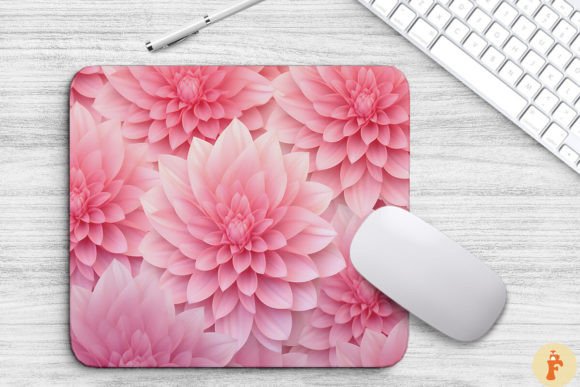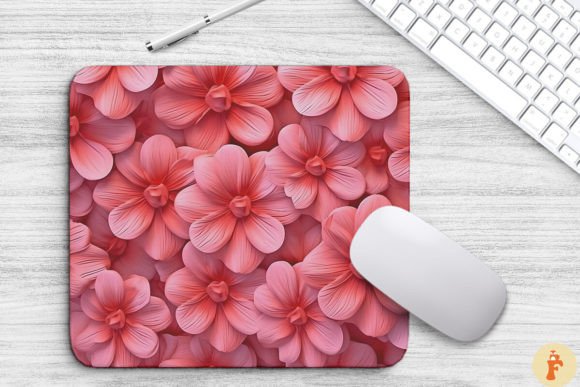
Reviewing the 3D Pink Flowers Mouse Pad Design
As a designer who has spent countless hours digitizing patterns and testing them on everything from stiff denim to delicate silk, I approach every new machine embroidery design with a mix of curiosity and skepticism. We have all been there: you download a file that looks stunning on the screen, only to find it turns into a puckered mess or a tangled bird’s nest once the needle hits the fabric. Today, I am taking a close look at the 3D Pink Flowers Pattern Mouse Pad Design. While the title suggests it is intended for sublimation or digital print applications, my focus is on how this visual asset translates into the tactile world of thread and fabric.
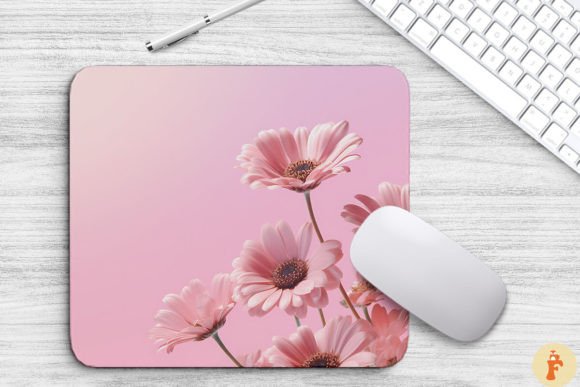
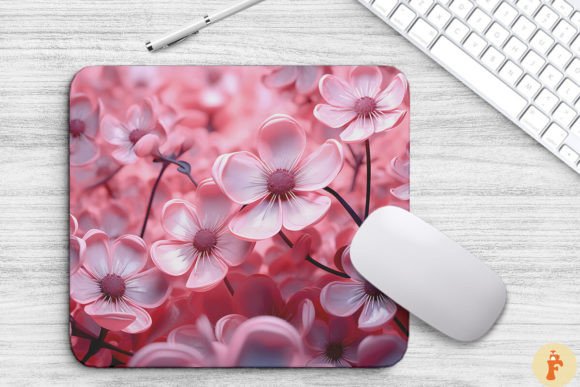
The first impression of this Graphics asset is one of softness and modern elegance. The layout features a cluster of pink blooms that appear to have depth, creating a quasi-3D effect through shading and layering. For an embroidery designer, this presents both an opportunity and a challenge. The mood is romantic yet contemporary, making it a strong candidate for boutique branding or personalized gifts. However, translating a "3D" visual concept into actual stitches requires careful consideration of stitch density and thread colors.
Visual Appeal and Stitching Clarity
When evaluating a design for real project use, I always ask: will this look expensive? Cheap embroidery is often the result of poor digitizing or inappropriate fabric choices. The 3D Pink Flowers Pattern Mouse Pad Design relies heavily on gradient-like transitions to achieve its dimensional look. In embroidery, we cannot simply print gradients; we must simulate them using satin stitch variations, fill stitch angles, or perhaps even applique design techniques if the complexity is too high for direct stitching.
If you are planning to use this as a reference for creating a custom embroidery file, pay attention to the petal edges. Sharp, clean lines are crucial for maintaining the professional look of a handmade product. If the original graphic has blurry edges, your digitized version might suffer from jagged stitches. I recommend inspecting the small details closely. Are the centers of the flowers defined enough to be stitched with a running stitch or a small satin column? Or will they require complex fill work that could increase production time?
Real-World Application Scenarios
Let’s move beyond theory and imagine a real-life scenario. Suppose you run a small shop selling curated home goods and custom apparel. A client approaches you for a set of bridal shower gifts. They want something feminine but not overly childish. This floral pattern fits that brief perfectly. Imagine embroidering this design onto a high-quality cotton tote bag. The pink tones would pop against a natural canvas background, creating a charming tote bag design that feels artisanal and thoughtful.
Alternatively, consider sweatshirt embroidery. A crewneck sweatshirt in heather grey or cream provides a neutral backdrop that allows the pink flowers to stand out without competing. The "3D" aspect of the design can be enhanced by using variegated threads, which naturally create depth as the needle moves. This transforms a flat graphic into a textured finished product that customers love to touch and wear. It is also suitable for baby embroidery projects, such as blanket borders or nursery decor, provided the scale is adjusted to be gentle and not overwhelming.
For Etsy sellers and craft business owners, versatility is key. This design could serve as the centerpiece for a holiday embroidery collection, perhaps adapted with seasonal color tweaks for Valentine’s Day or Mother’s Day. It works well for personalized gift items like aprons or kitchen towels, adding a touch of sophistication to everyday objects.
Navigating Fabric and Hoop Constraints
While the aesthetic is appealing, practical execution requires caution. Not every fabric behaves the same way. If you are working with stretchy fabric like jersey knits for t-shirts, you must use a cut-away stabilizer to prevent distortion. The weight of the stitches in a floral design can pull lightweight fabrics, causing puckering around the petals. Always test the design on scrap fabric first. This is non-negotiable for maintaining customer trust and ensuring brand consistency.
Consider the hoop size as well. If the design is large, it may not fit in a standard 4x4 inch hoop, requiring you to split the design or use a larger machine. For curved surfaces like caps or hats, the rigidity of the fabric and the curvature of the surface can distort the image. A design that looks perfect flat on a mouse pad might look stretched or compressed when stitched onto a baseball cap. In such cases, simplifying the detail level might be necessary to ensure stitching clarity.
Dark fabrics present another challenge. The pink hues in the 3D Pink Flowers Pattern Mouse Pad Design may not show up well on black or navy blue materials unless you use an underlay stitch or choose brighter, more saturated thread colors. Conversely, on white fabric, ensure the shadows in the "3D" effect are dark enough to be visible. I often advise designers to check their work in black and white mockups to verify contrast levels before committing to thread.
Commercial Viability and Licensing
For those looking to sell commercial embroidery products, understanding the license is critical. The product description mentions "Digital Download PNG Template" and "Sublimation Digital Download." This suggests the primary intent is for printing or digital use, not necessarily as a pre-digitized embroidery file ready for machines. If you intend to sell items featuring this design, you must confirm whether the license covers commercial use of derived works. If you are digitizing it yourself, ensure you have the rights to modify and sell the resulting embroidery pattern.
Using this asset as part of your design assets library can enhance your printable mockup presentations. Even if you do not stitch it immediately, having high-quality floral graphics helps in creating compelling listings for your small shop product range. It aids in buyer engagement by showing potential customers what the final vibe could be.
Final Designer Notes
To get the best results from the 3D Pink Flowers Pattern Mouse Pad Design, keep these practical tips in mind:
- Test on Scrap Fabric: Always run a test stitch-out on the same type of fabric you plan to use for the final product.
- Check Thread Contrast: Ensure the pink shades distinguish themselves from the background fabric and from each other.
- Review Stitch Density: If digitizing, avoid excessive density in the flower centers to prevent thread breaks and fabric stiffness.
- Confirm Hoop Size: Measure the design dimensions against your machine’s maximum hoop area.
- Inspect Small Details: Simplify tiny elements that may not stitch cleanly at smaller scales.
- Use Proper Stabilizer: Match the stabilizer type (cut-away, tear-away, wash-away) to the fabric texture and stretch.
- Verify Licensing: Double-check the terms for commercial use if selling finished items or digital embroidery files.
In conclusion, the 3D Pink Flowers Pattern Mouse Pad Design offers a beautiful starting point for creative projects. Whether you are an experienced digitizer looking for inspiration or a crafter seeking a elegant motif for your next embroidered patch or pillow cover, this design holds promise. By respecting the technical limitations of embroidery and applying thoughtful craftsmanship, you can transform this digital graphic into a tangible, high-value item that resonates with customers. Remember, the difference between a good design and a great product lies in the execution.