Vintage Lace Tiny Blossoms: A Designer’s Review
As a designer who has spent countless hours digitizing patterns and troubleshooting stitch-outs, I approach every new asset with a critical eye. We are not just looking for pretty pictures; we are looking for functionality, clarity, and commercial viability. When I first opened the Vintage Lace Tiny Blossoms Mouse Pad file, my initial reaction was one of cautious optimism. The preview promised delicate floral lace backdrops and retro aesthetics, but the real test is always in the application. Does this design hold up under the needle? Can it translate from a digital graphic into a tangible, high-quality handmade product?
The First Impression: Mood and Visual Personality
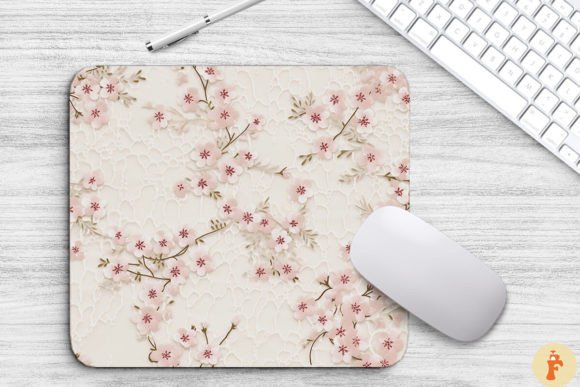
The aesthetic of this design is unmistakably romantic and refined. It captures that specific niche of antique lace blossom backgrounds that appeals to customers seeking elegance without excessive bulk. For embroidery designers, the "mood" of a design dictates its market. This piece feels soft, nostalgic, and feminine. It is not bold or aggressive; it is subtle. This subtlety is both its greatest strength and its primary challenge. In a world of loud, saturated graphics, the Vintage Lace Tiny Blossoms Mouse Pad offers a quiet sophistication that works beautifully for boutique branding and high-end personalized gifts.
However, because this falls under the category of Backgrounds and Graphics, we must consider how these elements translate to thread. Lace, by definition, implies openness and intricacy. Tiny blossoms suggest fine detail. When evaluating this for real project use, I immediately thought about scale. Will those petite flowers disappear into the fabric? Will the lace pattern look like a muddy mess if the stitch density is too high? These are the questions that separate a hobbyist from a professional craft business owner.
Real-World Application: From Digital File to Finished Product
To truly evaluate this asset, I imagined a specific client scenario. Let’s say you are an Etsy seller preparing a custom embroidered tote bag for a bridal shower gift. The client wants something elegant, not cartoonish. Here, the Vintage Lace Tiny Blossoms Mouse Pad could serve as a stunning backdrop for monogrammed initials. Imagine the delicate floral lace stitched in a soft cream or blush thread on a natural canvas tote. The retro lace and tiny flowers provide texture and visual interest without overpowering the personalization.
Beyond tote bags, this design has strong potential in sweatshirt embroidery. A crewneck sweatshirt in a muted pastel color, featuring this lace pattern across the chest or down the sleeve, creates a high-value perceived item. It moves beyond basic craft fair products into the realm of boutique merchandise. The key here is placement. Because the design features intricate details, it needs space to breathe. Crowding it onto a small pocket area might reduce the clarity of the tiny blossoms, making them look like indistinct dots rather than deliberate floral elements.
For those creating baby embroidery items, such as nursery decor or blanket accents, the gentle nature of this design is ideal. However, caution is required. Babies have sensitive skin, and dense stitching can be scratchy. If you use this as a fill stitch background, ensure you are using soft threads and appropriate stabilizers to keep the back of the embroidery smooth.
Navigating Technical Challenges and Fabric Choices
This is where the practical design judgment comes in. The Vintage Lace Tiny Blossoms Mouse Pad is not a plug-and-play solution for every surface. You must consider the fabric texture. On a smooth cotton or linen, the fine lines of the lace will pop. On a textured towel or a fuzzy fleece, those tiny details may get lost. I strongly advise against using this specific design on dark fabrics unless you are confident in your thread color contrast. Light threads on dark fabric can sometimes highlight the underlying material if the coverage isn't perfect, breaking the illusion of delicate lace.
Curved surfaces present another hurdle. If you are attempting to put this on a cap or a curved pillow cover, the distortion of the hoop can stretch the design, potentially distorting the symmetry of the lace pattern. Always test the design on scrap fabric first. Check the stitch density carefully. If the digital embroidery file is too dense, it will pucker lightweight fabrics like chiffon or thin cotton. You may need to adjust your machine settings or choose a heavier stabilizer to support the weight of the thread.
Also, consider the washing instructions for the final product. Items like aprons and kitchen towels undergo frequent laundering. Intricate lace patterns with many satin stitch edges can fray over time if not properly secured. Ensure that your finished product is durable enough for its intended use. If this is for a decorative pillow cover that rarely gets washed, the risk is lower. If it is for a child’s bib, durability is paramount.
Commercial Viability and Brand Consistency
For small shop owners and digital product sellers, the value of this asset lies in its versatility. It can be used to create printable mockups that elevate your online store’s presentation. A well-stitched sample of this design can significantly boost buyer engagement and trust. It signals professionalism. When customers see clean, crisp stitching in your photos, they associate that quality with your brand.
However, before listing any items for sale, you must confirm the licensing terms. The product description mentions included PNG files, which suggests this might be a graphic resource rather than a native machine embroidery file format like PES or DST. This is a crucial distinction. If you are an apparel decorator, you need to know if you are buying a reference image to digitize yourself or a ready-to-stitch file. If it is a graphic, you will need to convert it, which requires advanced digitizing skills to maintain the integrity of the lace. If it is already digitized, check the recommended hoop size and stitch count.
Use this design to enhance your design assets library. It fits well in collections focused on vintage, romance, or spring themes. It can be combined with other elements, such as bold lettering or simple shapes, to create a balanced composition. Remember, the goal is to create a cohesive look that resonates with your target audience.
Final Verdict and Practical Notes
The Vintage Lace Tiny Blossoms Mouse Pad is a beautiful resource for those who understand the nuances of embroidery. It is not for beginners who want quick, bold results. It is for the meticulous crafter who values detail and elegance. To get the best results:
- Test on scrap fabric: Never skip this step. Check for puckering and thread breaks.
- Check thread contrast: Use threads that complement the fabric, not clash with it.
- Review stitch density: Adjust if necessary to prevent stiffness.
- Confirm hoop size: Ensure the design fits your machine’s capabilities.
- Inspect small details: Zoom in on the digital file to ensure the tiny blossoms are defined.
- Verify licensing: Understand if you can sell finished products made with this design.
In conclusion, this design offers a unique blend of retro charm and modern elegance. With careful execution and attention to technical details, it can become a standout element in your embroidery portfolio. Whether you are creating a holiday gift, a wedding favor, or a signature shop product, the Vintage Lace Tiny Blossoms Mouse Pad provides the artistic foundation for something truly special.